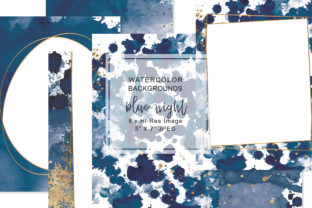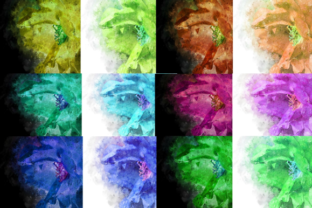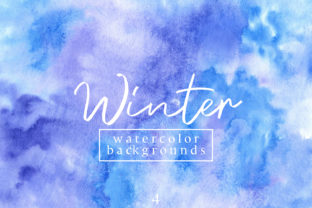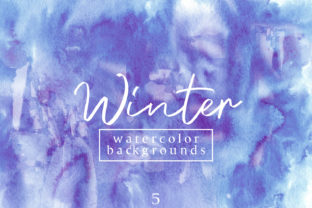
30 Contemporary Watercolor Backgrounds Review
The First Impression: Artistic Potential Meets Stitch Reality
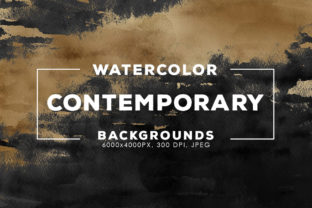
As a designer who has spent years navigating the gap between digital art and physical thread, I approach every new machine embroidery design with a mix of excitement and skepticism. When I first opened the file for 30 Contemporary Watercolor Backgrounds, my immediate reaction was one of visual delight. The collection captures that fluid, organic aesthetic we all love in watercolor paintings—the soft bleeds, the unexpected color transitions, and the dreamy atmosphere. However, looking at it on a screen is very different from seeing how those pixels translate into thousands of tiny stitches on fabric.
This set is not just another generic pattern; it feels like a curated gallery of textures waiting to be stitched. The mood is undeniably modern and artistic, making it perfect for elevating basic items into boutique-level pieces. But before I commit this embroidery file to a client project or add it to my Etsy shop inventory, I need to stress-test its practicality. Does the delicate nature of watercolor survive the rigors of a stitching machine? Can it hold up on a heavy canvas tote bag without losing its ethereal quality? These are the questions that determine whether a design is a hit or a headache.
Testing the Waters: A Real-World Sweatshirt Project
To truly understand the capabilities of 30 Contemporary Watercolor Backgrounds, I imagined a specific scenario: creating a limited-run line of oversized crewneck sweatshirts for a local boutique. The goal was to place a large, abstract background behind a simple text logo on the back of the garment. This is a high-stakes application because sweatshirts have a distinct texture, and the fabric can shift easily under the hoop.
In my mind's eye, I selected a soft blue and grey wash design from the collection. On paper, it looks seamless. In reality, achieving that "wash" effect requires careful manipulation of fill stitch density and direction. If the stitch density is too tight, the fabric will pucker, ruining the drape of the sweatshirt. If it is too loose, the white of the cotton underneath might show through, breaking the illusion of a painted background. The beauty of this collection lies in its versatility; some designs in the set appear to use broader strokes that would work beautifully with a slightly lower density setting, allowing the fabric texture to peek through and enhance the handmade feel.
For an Etsy seller or small business owner, this kind of design asset is gold. It transforms a plain $15 blank into a $45 statement piece. The customer isn't just buying a shirt; they are buying a piece of wearable art. The visual appeal of 30 Contemporary Watercolor Backgrounds immediately signals quality and thoughtfulness, which directly impacts buyer engagement and trust. When a customer sees a finished product with such a sophisticated background, they perceive higher value, making them more likely to purchase and recommend your brand.
Navigating Fabric Challenges and Hoop Constraints
While the potential is high, there are significant caveats to consider when using these backgrounds on real projects. The fluid nature of watercolor means there are no hard edges, which can be tricky for machines to navigate on certain materials. I would advise extreme caution when attempting these designs on thin or stretchy fabrics like jersey knit or silk. Without the right stabilizer, the pulling force of the needle could distort the design, turning a graceful gradient into a warped mess.
Furthermore, hoop size is a critical factor. Many of the larger backgrounds in this set require a substantial hoop area to maintain their integrity. Trying to cram a sprawling watercolor splash into a small 4x4 inch hoop will likely result in a loss of detail and an unbalanced look. For smaller applications, such as an embroidered patch or a cap front, you would need to carefully select the smaller, more contained designs from the 30 Contemporary Watercolor Backgrounds collection. Even then, curved surfaces like caps can distort the perspective of the design if the stabilizer isn't perfectly applied.
Dark fabrics present another challenge. Watercolor effects often rely on white or light colors to create depth and transparency. Stitching these on black or navy fabric requires precise layering and potentially a top layer of white backing or a very dense fill to prevent the dark material from showing through. As a professional, I always recommend testing the design on scrap fabric first. Check the thread colors against your specific material to ensure the contrast works as intended. What looks vibrant on a white mockup might disappear on a heather grey tee.
Strategic Uses for Craft Businesses and Personal Gifts
Despite the challenges, the right application makes 30 Contemporary Watercolor Backgrounds a powerhouse for various markets. Beyond apparel, these designs shine on home decor items. Imagine a linen pillow cover where the background serves as a subtle frame for a monogram, or a kitchen towel where the colors mimic spilled paint or floral hues. These items are less prone to stretching than clothing, making them ideal for showcasing the intricate details of the digital embroidery file.
For personalized gifts, this collection offers endless possibilities. A baby blanket with a soft, pastel watercolor background adds a touch of nursery elegance that standard patterns cannot match. Holiday embroidery projects also benefit from this style; think of a Christmas ornament or a gift tag where the background sets a festive yet refined tone. The versatility allows crafters to move seamlessly between seasons and styles without needing entirely new design assets.
If you are running a craft business, consistency is key. Using a cohesive set like this across multiple products helps build brand recognition. Whether you are selling custom apparel, boutique branding items, or small shop products, having a signature style creates a memorable identity. Customers begin to associate that specific artistic flair with your name. However, remember to confirm licensing terms before selling finished items or offering the digital product itself. Not all files allow for commercial use, and respecting intellectual property is vital for long-term success.
Final Verdict: A Designer's Toolkit Essential
After mentally walking through the production process, from hooping to trimming threads, my conclusion is clear: 30 Contemporary Watercolor Backgrounds is a valuable addition to any serious designer's library, provided it is used with skill and preparation. It is not a "set it and forget it" design. It demands attention to stitch density, fabric choice, and stabilizer selection. But when executed correctly, the results are stunning.
This collection bridges the gap between digital creativity and tactile craftsmanship. It allows makers to infuse their work with a level of sophistication that stands out in a crowded market. Whether you are a hobbyist looking to elevate your handmade product game or a professional decorator fulfilling a high-end client order, these backgrounds offer the artistic depth needed to make a lasting impression. Just remember to test, adjust, and respect the limitations of your materials. With the right approach, these designs will become the secret weapon in your creative arsenal.