Tulip Watercolor Seamless Pattern Review
As a designer who has spent years translating digital files into tangible thread, I approach every new asset with a critical eye. When I first opened the Tulip Watercolor Seamless Pattern, my immediate thought was about texture and flow. Unlike rigid geometric repeats or sharp vector outlines, this design promises a softer, more organic aesthetic. In the world of machine embroidery, where stitch density can easily kill the delicate nature of a watercolor effect, this is a high-stakes file. It requires careful handling to ensure the final result looks like art rather than a muddy mess.
The First Impression: Mood and Visual Flow
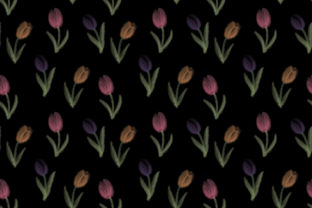
The visual personality of the Tulip Watercolor Seamless Pattern is undeniably spring-like and airy. The layout suggests a continuous bloom, which is perfect for creating an all-over print look on fabric or a border that feels endless. However, in embroidery, "seamless" does not always mean "easy." The challenge lies in how the software interprets the watercolor gradients. If the file relies too heavily on complex fill stitches to mimic paint washes, it risks becoming too dense for lightweight fabrics.
I evaluated the shape and detail level closely. The tulips are stylized enough to survive the stitching process without losing their identity, but they retain enough irregularity to feel hand-painted. This balance is crucial for anyone looking to elevate a standard craft project into a boutique-quality item. For a small business owner or Etsy seller, this kind of visual appeal can be the difference between a product that gets scrolled past and one that gets added to the cart immediately.
A Real-World Scenario: The Custom Tote Bag Project
To truly test the viability of this design, I imagined a specific project: a heavy-duty canvas tote bag for a local botanical shop. The goal was to create a limited-run merchandise item that felt artisanal yet durable. Using the Tulip Watercolor Seamless Pattern as the primary motif, I visualized stitching it across the lower third of the bag. The seamless nature allows the pattern to wrap around the sides slightly, creating a sense of continuity that customers love on handheld items.
In this scenario, the success of the project hinges on the interaction between the thread colors and the canvas texture. A watercolor effect relies on subtle transitions. If the stitch density is too high, the soft edges of the petals will disappear under layers of satin or fill stitch. Conversely, if the density is too low, the design might look sparse and unfinished. I would recommend using a mid-weight polyester thread to catch the light and enhance the "painterly" feel, ensuring the finished product pops against the natural beige of the canvas.
Applicability Across Different Products
Beyond tote bags, this machine embroidery design opens doors for various applications:
- Custom Apparel: On sweatshirts, the pattern could work beautifully as a back print, provided the stabilizer is robust enough to handle the area coverage.
- Home Decor: Pillow covers and tea towels benefit from the soft aesthetic. A kitchen towel featuring this pattern adds a touch of elegance to a functional item.
- Baby Embroidery: The gentle curves make it suitable for nursery decor, though one must be mindful of fabric stretch.
- Personalized Gifts: As a holiday embroidery option, it offers a fresh alternative to traditional red and green motifs, perfect for wedding favors or housewarming gifts.
Navigating Challenges: Where Caution is Needed
While the potential is high, the Tulip Watercolor Seamless Pattern is not a "set it and forget it" file. There are specific situations where this design requires extra attention. First, consider small hoop sizes. Because this is a seamless repeat, cutting it off abruptly in a tiny hoop can ruin the illusion of continuity. You need enough space to let at least two or three full tulip cycles breathe.
Second, fabric texture plays a massive role. On textured fabrics like linen or thick cotton blends, fine details in the watercolor washes might get lost in the weave. Similarly, on dark fabrics, the contrast needs to be carefully managed. A white thread on black fabric works well for outlines, but achieving a true watercolor gradient on dark material often requires a backing layer of tonal stitching, which increases the stitch count significantly.
Stretchy fabrics present another hurdle. If you attempt this on a jersey knit for a t-shirt, the tension from the fill stitch can cause puckering. Always use a tear-away or cut-away stabilizer appropriate for the weight of the garment. Finally, avoid using this design on curved surfaces like caps unless you have adjusted the scaling. The seamless nature might distort awkwardly over the curve of a hat panel, breaking the visual flow.
Impact on Brand Value and Customer Trust
For creative entrepreneurs and digital product sellers, the quality of your embroidery file directly impacts your brand reputation. Using a well-executed design like the Tulip Watercolor Seamless Pattern signals professionalism. Customers buying handmade products expect consistency and care. If the stitching is clean, the colors blend naturally, and the pattern aligns perfectly, it builds trust.
This design enhances the perceived value of a finished product. A simple pillow cover becomes a statement piece when adorned with a sophisticated, artistically rendered pattern. It elevates the item from a generic craft fair find to a boutique-worthy accessory. Furthermore, for those selling digital assets, offering a pattern that translates well into physical goods increases buyer engagement and reduces return rates due to poor execution.
Practical Designer Notes for Success
Before committing this design to a client order or a batch production run, follow these essential steps:
- Test on Scrap Fabric: Never skip the test run. Stitch the Tulip Watercolor Seamless Pattern on a scrap piece of the exact fabric you plan to use. Check for puckering and color blending.
- Review Stitch Density: Inspect the file settings. Ensure the fill stitch isn't so tight that it stiffens the fabric unnecessarily.
- Check Thread Colors: Compare the digital preview with actual thread cards. What looks like a soft blue on screen might turn out neon under certain lighting.
- Confirm Hoop Size: Make sure your machine's hoop can accommodate the repeat width without distorting the design.
- Inspect Small Details: Zoom in on the petal tips. Ensure the running stitch or satin stitch edges are crisp and don't bleed into adjacent areas.
- Use Proper Stabilizer: A watercolor effect needs a smooth base. Use a heat-n-sew or liquid stabilizer if working on delicate items.
- Verify Licensing: Before selling finished items or digital downloads, confirm the license terms. Does the Patterns category allow commercial use? Can you sell the digital file itself?
Ultimately, the Tulip Watercolor Seamless Pattern is a versatile asset for the modern maker. It bridges the gap between digital artistry and tactile craftsmanship. With the right preparation and a keen eye for detail, it can transform ordinary textiles into extraordinary pieces that resonate with customers seeking unique, high-quality handmade goods.