Watercolor Leaf Wedding Suite Review
As a designer who has spent years translating digital concepts into tangible stitched goods, I approach every new machine embroidery design with a mix of excitement and skepticism. The market is flooded with generic floral motifs, but the Watercolor Leaf Wedding Suite immediately caught my eye for its distinct aesthetic departure from the usual rigid vector lines. When evaluating an embroidery file for real-world application, I look for versatility, visual depth, and how well it translates to fabric. This suite promises a soft, artistic vibe that could elevate a standard handmade product into something boutique-worthy.
The First Impression: Art Meets Thread
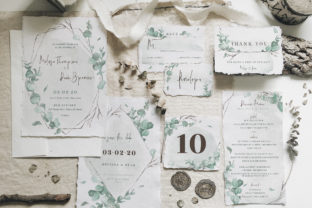
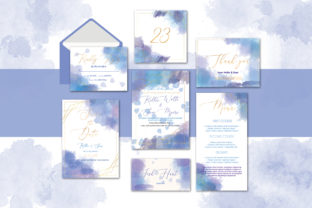
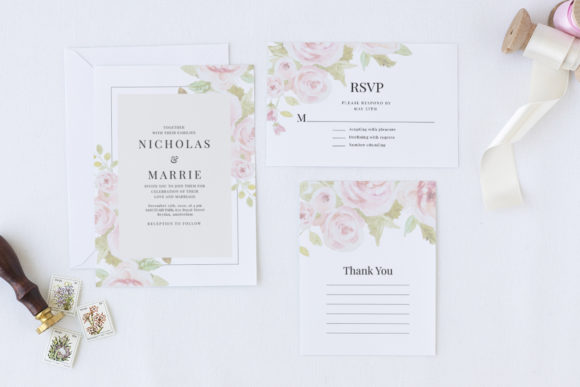
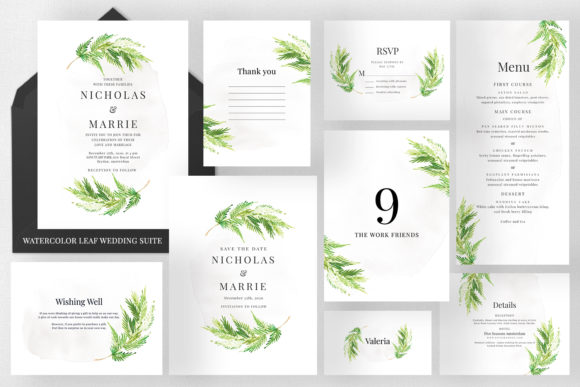
Upon opening the files for the Watercolor Leaf Wedding Suite, the first thing that strikes you is the mood. It doesn't feel like a traditional botanical illustration; instead, it mimics the fluidity of watercolor paint bleeding into paper. For an Etsy seller or a small shop owner looking to create a cohesive brand identity, this is gold. The shapes are organic, avoiding harsh geometric edges that can sometimes look cheap when stitched on textured fabrics. The layout suggests a gentle elegance, perfect for wedding-related items where subtlety often speaks louder than boldness.
However, as a reviewer, I immediately start thinking about translation. How does a "watercolor" effect work in thread? The design relies heavily on gradient transitions and soft edges. In a digital embroidery file, this usually means a high reliance on fill stitch techniques with varying densities to simulate shading. If executed poorly, this can lead to puckering or a muddy appearance. But if the stitch density is managed correctly, the result is a sophisticated texture that adds significant value to a finished product.
Testing the Waters: A Real-World Scenario
To truly understand the potential of the Watercolor Leaf Wedding Suite, I imagined a specific project: a custom embroidered tote bag for a bridal shower gift set. Tote bags are a staple for craft businesses because they offer a large canvas and practical utility. I visualized placing the largest leaf motif from the suite on the front panel of a natural linen tote.
Linen is a fantastic choice here because its inherent texture complements the soft, painterly look of the design. Unlike a smooth polyester, which might make the stitching look too plastic-like, the weave of the linen would break up the light hitting the threads, enhancing the watercolor illusion. The tote bag design would feature muted sage greens and dusty rose thread colors, pulling directly from the palette suggested by the suite's name. Customers browsing a small shop product listing would likely be drawn to the tactile quality of the piece. It feels less like a mass-produced item and more like a curated art object.
This scenario highlights why the Watercolor Leaf Wedding Suite works so well for custom apparel and home decor. Whether it's a sweatshirt embroidery detail on the cuff or a delicate accent on a baby embroidery blanket, the design scales gracefully. It avoids the cluttered look that plagues many floral designs when shrunk down, maintaining its integrity even at smaller sizes, provided the hoop size is appropriate.
Navigating Technical Challenges
While the aesthetic appeal is strong, experienced designers know that beauty comes with technical demands. There are specific situations where the Watercolor Leaf Wedding Suite requires careful handling. First, consider the hoop size. Because the design relies on flow and movement, cramming it into a tiny 4x4 inch hoop might truncate the essential "bleed" of the leaves, making them look chopped off rather than organic. Always check the dimensions against your intended embroidery project before committing.
Fabric choice is another critical factor. While linen worked perfectly in my mental test, this design might struggle on very thin or highly stretchy fabrics like jersey knit without the right stabilizer. The soft edges of the watercolor style need a stable base to prevent distortion during stitching. On dark fabrics, the light gradients might get lost unless you use a backing layer or switch to lighter thread colors with higher contrast. Additionally, curved surfaces like caps can distort the linear flow of the leaves. An embroidered patch version of this design might actually perform better on a cap than direct stitching, as the patch allows for flat tension control before being sewn onto the garment.
Stitch Density and Clarity
One area to scrutinize is the stitch density. Watercolor effects often require overlapping stitches to build color depth. If the density is too high, the fabric will pucker, ruining the drape of a kitchen towel or a pillow cover. Conversely, if it's too low, the "painterly" effect disappears, leaving gaps that look like errors. As a designer, I always recommend testing the design on scrap fabric first. Run a test in black and white printable mockup mode to see the stitch paths clearly before loading thread. This step saves time and materials, ensuring the final output matches your vision.
Commercial Viability and Brand Consistency
For creative entrepreneurs and craft business owners, the Watercolor Leaf Wedding Suite offers a unique selling proposition. In a sea of bright, neon, or overly detailed florals, this suite stands out as refined and timeless. It fits seamlessly into collections focused on weddings, nursery decor, and holiday gifts. The design assets within the suite can be mixed and matched to create a consistent brand voice across different products, from personalized gifts to boutique merchandise.
However, remember to confirm licensing terms before selling finished items or digital products. Some Print Templates have restrictions on commercial use or limits on the number of items you can sell. Ensuring you have the rights to use these design assets commercially protects your business and builds trust with your customers. Professionalism isn't just about the quality of the stitch; it's about respecting intellectual property and delivering a reliable finished product.
Final Designer Notes
If you decide to incorporate the Watercolor Leaf Wedding Suite into your workflow, keep these practical tips in mind:
- Test First: Always stitch a sample on the exact fabric you plan to use to check for puckering and color vibrancy.
- Stabilizer is Key: Use a cut-away stabilizer for stretchy fabrics and a tear-away for wovens to ensure the soft details remain crisp.
- Color Contrast: Experiment with thread shades. Sometimes a slightly darker shade than expected creates better depth for the watercolor effect.
- Hoop Selection: Match the hoop size to the design's negative space requirements to avoid cutting off the artistic flow.
- Mockups: Create printable mockup previews to show customers how the design looks on various items like aprons, caps, or baby clothes before they purchase.
In conclusion, the Watercolor Leaf Wedding Suite is a versatile tool for any serious embroiderer. It bridges the gap between digital art and textile craftsmanship, offering a fresh take on botanical themes. With proper attention to thread colors, fabric texture, and stabilizer choices, this design can transform simple handmade products into cherished keepsakes. Whether you are decorating a single holiday gift or launching a line of commercial embroidery items, this suite provides the artistic foundation needed to stand out in a crowded marketplace.