Watercolor Patterns with Succulents Review
A Designer's Take on Stitching Soft Botanicals
As someone who has spent years navigating the intersection of digital design and physical thread, I approach every new machine embroidery design with a critical eye. The market is flooded with generic motifs, so finding a file that offers genuine artistic value for a craft business or personal project is a relief. When I first opened the Watercolor Patterns with Succulents file to evaluate it for an upcoming client order, my immediate reaction was one of cautious optimism. The concept of merging the fluid, bleeding edges of watercolor art with the rigid structure of a stitched pattern is ambitious. It requires a delicate balance to ensure the final result looks like intentional art rather than a machine error.
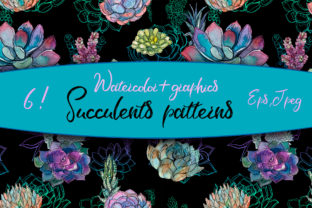
The visual personality of this design is undeniably soft and organic. Unlike traditional vector-based botanicals that rely on sharp lines and solid blocks of color, this set mimics the translucency and gradient flow of actual paint on paper. For a small shop product line focusing on nursery decor or boutique apparel, this aesthetic hits a sweet spot. It feels modern yet timeless, avoiding the cliché of overly detailed realistic flowers in favor of a more impressionistic style. However, as we all know, what looks stunning on a screen can behave very differently when translated into fill stitch and satin stitch.
Real-World Application: The Custom Tote Bag Scenario
To truly understand the utility of Watercolor Patterns with Succulents, let’s walk through a specific scenario. Imagine you are preparing a custom embroidered tote bag for a local plant shop owner who wants to sell them at an upcoming craft fair. She needs something that screams "handmade" but maintains professional consistency across fifty units. This is where the design shines. The loose, painterly nature of the succulent shapes allows for slight variations in stitching without ruining the overall image. If a few threads shift slightly on a canvas tote bag, the watercolor effect actually masks these imperfections better than a geometric design would.
In this context, the tote bag design becomes a statement piece. The soft greens and subtle earth tones inherent in the succulent theme pair beautifully with natural cotton fabrics. When I visualize the finished product, the stitch density appears to be moderate, which is crucial for items that will be washed frequently. A dense fill might crack over time on a heavy-duty bag, but the lighter coverage suggested by this watercolor style should hold up well, maintaining its integrity after multiple cycles. This makes it a strong candidate for commercial embroidery projects where durability meets aesthetics.
Navigating Fabric Texture and Stabilizer Choices
However, the beauty of this design comes with specific challenges that any experienced embroiderer must address before hitting the start button. Because the watercolor effect relies on gradients and soft edges, the choice of fabric texture is paramount. On a smooth, tightly woven cotton or linen, the design will likely look crisp and true to the original vision. But if you attempt this on a highly textured fabric like burlap or a thick fleece sweatshirt, the needle may struggle to land precisely, causing the soft edges to blur unintentionally.
This brings us to the importance of the stabilizer. For a project involving Watercolor Patterns with Succulents, I strongly recommend using a cutaway stabilizer for stretchy fabrics or a heavy tear-away for wovens. The goal is to prevent the fabric from puckering, which would distort the organic flow of the succulent shapes. Additionally, because the design mimics paint washes, you must pay close attention to your thread colors. Using standard bright threads might clash with the muted, blended look intended by the artist. You may need to experiment with variegated threads or carefully select pastel shades to replicate that authentic watercolor feel.
Strategic Use in Small Business and Gift Markets
For the Etsy seller or creative entrepreneur, this embroidery file opens doors to several lucrative niches. Think beyond just bags; consider how these patterns translate to baby embroidery. A onesie or a receiving blanket featuring a soft, watercolor succulent is instantly marketable as a gender-neutral, calming gift. The lack of harsh lines makes it perfect for nursery decor, appealing to parents looking for a boho-chic aesthetic.
Similarly, in the realm of personalized gifts, this design works exceptionally well on aprons and kitchen towels. The kitchen is a place where people appreciate tactile, warm designs. An embroidered towel with a succulent motif feels more artisanal than a printed one, adding significant perceived value to the item. For holiday embroidery, these patterns can be adapted into seasonal cards or ornaments, offering a fresh alternative to traditional red-and-green themes. The versatility of the digital embroidery file allows you to scale it down for a cap patch or enlarge it for a pillow cover, provided you respect the limitations of your hoop size.
Critical Considerations for Professional Results
Despite its potential, there are areas where caution is required. Do not attempt to use Watercolor Patterns with Succulents on very thin or sheer fabrics without proper backing, as the needle penetration could damage the material. Also, avoid using this design on dark fabrics unless you have a plan for underlay stitching that won't muddy the light, airy colors of the watercolor effect. The contrast might get lost, turning a delicate design into a muddy mess.
Furthermore, always test the design on scrap fabric first. Check the running stitch outlines to ensure they aren't too visible, which can break the illusion of a painted surface. Inspect the small details, particularly where different succulent leaves overlap, to confirm that the stitch direction doesn't create unwanted shadows. If you are selling the finished products, verify the licensing terms of the design assets to ensure you are compliant with commercial use policies. Some files are restricted to personal use only, which could put your small business at risk.
Final Verdict on Design Value
Ultimately, Watercolor Patterns with Succulents is a high-value asset for designers who understand how to manipulate thread to mimic other art forms. It elevates a simple handmade product into a piece of wearable art. While it demands attention to detail regarding stabilizers, thread selection, and fabric choice, the payoff is a unique, professional-looking finish that stands out in a crowded marketplace. Whether you are creating a single personalized gift or stocking a boutique with custom apparel, this design offers the kind of visual appeal that builds customer trust and brand recognition. Just remember to test, stabilize, and choose your colors wisely, and you will have a winner on your hands.