Fashion Rose Pattern Vintage Watercolor Review
As a designer who has spent years translating digital files into tangible thread on fabric, I approach every new machine embroidery design with a mix of excitement and skepticism. The market is flooded with generic floral motifs, but occasionally, a pattern arrives that feels distinct enough to elevate a simple project into a boutique piece. That is exactly my first impression of the Fashion Rose Pattern Vintage Watercolor. It does not scream for attention; instead, it whispers with a soft, nostalgic charm that suggests depth and character. Before I commit this file to any client order or small shop inventory, I need to understand how its delicate aesthetic translates from screen to stitch.
The Mood and Visual Personality
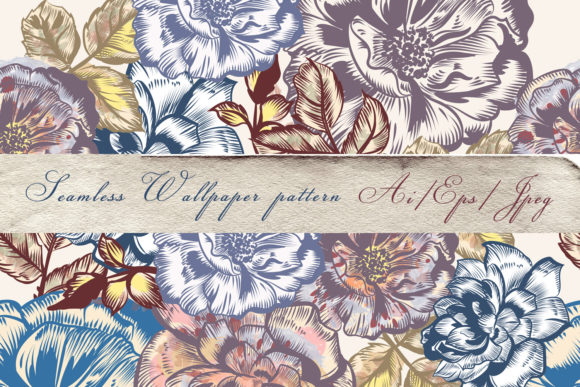
At first glance, the Fashion Rose Pattern Vintage Watercolor captures a specific era of botanical illustration. It avoids the sharp, geometric edges often found in modern vector art, opting instead for softer transitions that mimic the bleed of watercolor paint. This visual personality is crucial because it dictates the entire direction of the final product. When I load this embroidery file into my digitizing software, I immediately think about texture. The design relies heavily on the interplay between light and shadow, which means the success of the project will depend entirely on how well the stitch density mimics those fluid gradients.
This is not a design meant for bold, industrial branding. It belongs in the realm of personal expression and artisanal goods. If you are an Etsy seller looking to add a touch of romance to your listings, or a craft business owner aiming for a cohesive vintage aesthetic, this pattern fits perfectly. However, its subtlety requires careful handling. A heavy-handed approach with thick threads or aggressive stitching could ruin the delicate illusion of watercolor, turning a dreamy rose into a muddy patch of thread.
Real-World Application: The Custom Tote Scenario
To truly evaluate the utility of the Fashion Rose Pattern Vintage Watercolor, let us walk through a realistic scenario. Imagine I am preparing a batch of custom canvas tote bags for a local bridal boutique. These bags are intended as wedding favors, carrying a weight of sentimentality that demands high-quality execution. I envision placing this rose design on the lower corner of a natural, unbleached cotton tote. The goal is to make the bag feel like a curated accessory rather than a generic promotional item.
In this context, the tote bag design needs to withstand handling while maintaining its artistic integrity. The vintage style of the rose pairs beautifully with the raw texture of canvas. However, I must consider the hoop size. If the design is too large, it might distort the bag's shape when hooped. If it is too small, the intricate details of the petals may get lost in the weave of the fabric. My instinct tells me to test this on a scrap piece of similar canvas first. I want to see if the fill stitch creates enough coverage without making the area stiff. For a personalized gift like this, the recipient should be able to run their fingers over the embroidery and feel the quality, not just see it.
Navigating Fabric Challenges and Placement
While the Fashion Rose Pattern Vintage Watercolor looks stunning on paper, real-world embroidery introduces variables that can make or break a project. One of the primary concerns with watercolor-style designs is the background fabric. On dark fabrics, the lighter shades of the rose might disappear unless we use a significant amount of underlay or a backing layer. Conversely, on very thin or stretchy fabrics like jersey knit for a sweatshirt embroidery project, the tension required to hold the hoop could cause puckering around the detailed corners of the petals.
I would exercise caution when using this design on curved surfaces like caps. The rounded surface of a hat distorts flat designs, and the subtle shading of a watercolor rose could become uneven if the machine pulls the fabric too tightly. Similarly, for baby embroidery items, where softness is paramount, the density of the stitches needs to be carefully monitored. We do not want a rigid patch rubbing against sensitive skin. In these cases, selecting the right stabilizer is non-negotiable. A cutaway stabilizer might provide the necessary support for heavier garments, while a tear-away or wash-away option would be better for lightweight linens or kitchen towels.
Another critical factor is the washing durability of the finished product. Since this design likely utilizes multiple thread colors to achieve its gradient effect, color bleeding or fading after repeated washes is a risk. For commercial embroidery projects where customers expect longevity, testing the wash resistance is essential. If you are selling handmade products that will be used daily, such as aprons or pillow covers, ensuring the thread locks are secure will prevent fraying and maintain the professional look of the finished product.
Strategic Use for Small Business Owners
For digital product sellers and creative entrepreneurs, the Fashion Rose Pattern Vintage Watercolor offers a unique opportunity to differentiate your brand. In a sea of loud, neon, or overly complex patterns, this design stands out for its elegance and restraint. It signals to the customer that you value aesthetics and quality. When creating printable mockups for your online store, this design allows for sophisticated presentations that appeal to a demographic willing to pay a premium for handmade craftsmanship.
However, remember that a beautiful design is only as good as its application. Before listing a product featuring this pattern, always review the design assets for clarity. Check the running stitch outlines to ensure they define the shape without overpowering the fill. Inspect the small details to confirm they remain visible at the intended scale. If you plan to sell the digital embroidery file itself, verify the licensing terms clearly. Many designers restrict commercial use of their files, so understanding what you can and cannot do is vital for protecting your business.
Practical Designer Notes for Success
If you decide to move forward with the Fashion Rose Pattern Vintage Watercolor, here are my top recommendations for a flawless result:
- Test on Scrap Fabric: Never skip the test run. Stitch the design on the actual material you plan to use to check for puckering, density issues, and color contrast.
- Check Thread Contrast: Ensure the thread colors pop against the fabric. On light backgrounds, pastel threads work well, but on medium tones, you may need slightly deeper shades to maintain visibility.
- Verify Hoop Size: Confirm that the design fits comfortably within your hoop without stretching the fabric excessively, which can distort the organic shapes of the rose.
- Inspect Small Details: Zoom in on the digitized file to ensure tiny petals and leaves have enough stitches to form a solid shape rather than gaps.
- Use Proper Stabilizer: Match the stabilizer type to the fabric weight. Heavyweight fabrics need strong support, while delicate silks require minimal interference.
- Compare Light and Dark Backgrounds: Visualize how the design looks on both light and dark fabrics before committing to a bulk order.
- Confirm Licensing: Always read the license agreement to ensure you are permitted to sell finished items or the file itself.
Ultimately, the Fashion Rose Pattern Vintage Watercolor is a versatile asset for any serious embroiderer. It bridges the gap between traditional craft and modern design sensibilities. Whether you are creating a holiday embroidery gift, a custom apparel line, or a single embroidered patch for a friend, this pattern offers a timeless appeal. By respecting its delicate nature and applying sound technical judgment, you can transform a simple digital file into a cherished physical object that brings joy and beauty to your customers' lives.